
Go where nature’s fireworks fill the skies with pulsating colour
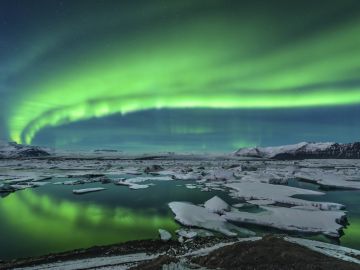
Northern Lights Holidays
Our Northern Lights Holidays
Top 5 Winter Activities on Northern Lights Tours
Snowshoeing: Snowshoeing in the Arctic is an exciting adventure that combines the beauty of winter landscapes with the chance to see the Northern Lights. The Arctic region, known for its freezing temperatures and pristine white landscapes, provides the perfect setting for this thrilling winter activity. Snowshoeing allows you to traverse across deep snow with ease while soaking up the natural beauty of the Arctic wilderness. Snowshoes are designed to distribute your weight more evenly so that you stay on top of the snow rather than sinking.
Snowmobiling: Snowmobiling is one of the most fun ways to go in search of the Northern Lights. Zipping across vast icy landscapes, this Arctic adventure allows thrill seekers to explore further. The adrenaline rush of speeding through the snowy terrain, surrounded by white mountains and icy blue glaciers, is exhilarating. Snowmobiling also gives you the opportunity to see local wildlife in their natural habitat. With proper guidance and safety measures, snowmobiling can be enjoyed by both beginners and experienced riders.
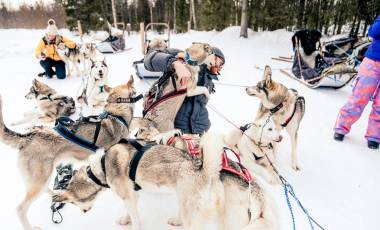
Dog Sledding: Dog sledding in Swedish Lapland offers a unique experience on our Northern Lights holidays. With a team of energetic huskies leading the way, glide through the enchanting forests and across frozen lakes, feeling the power of the dogs propelling you forward. The silence is only interrupted by the sound of the sleigh gliding effortlessly through the snow. This traditional mode of transportation not only provides an unforgettable journey but also allows you to immerse yourself in the beauty and natural wonders of Swedish Lapland.
Glacier Walking: Glacier walking in Iceland is an exhilarating experience that allows you to explore the mighty Falljökull glacier. Passing towering ice formations and crevasses, you’ll carefully navigate through the icy wilderness, led by expert guides. Glacier walking in Iceland is not only a fantastic way to connect with nature but you’ll also feel a great sense of achievement.
Forest Skiing: Forest skiing in Swedish Lapland is an exciting way to cross the snow-drenched landscapes. This means of getting around in the deep snow originated from Russia and Scandinavia and has been used by locals for millennia. Surrounded by dense forest, you’ll glide through virgin snow while admiring the winter wonderland scenery. This remote and pristine location guarantees a sense of tranquility and you might even be fortunate enough to witness the magical dance of the Aurora on your Northern Lights holidays.
Northern Lights holidays and tours FAQs
How long do the Northern Lights last?
The Northern Lights typically last between 10 minutes and all night long. The conditions largely dictate how long you can see them.
Can you see the Northern Lights with the naked eye?
High-quality cameras can capture the Northern Lights far better than anyone can see them with the naked eye. They can capture colours and elements that the human eye simply can’t see. However, it’s still an extraordinary sight to witness.
What colours are the Northern Lights made up of?
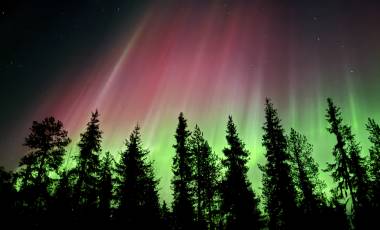
A variety of colours are produced when the Northern Lights are in action. Factors such as altitude and the atmosphere’s density can dictate the display you’ll see. Typically, green is the most common colour, as well as blue and purple, although they are harder to view with the naked eye.
How long are your Northern Lights holidays?
Our Northern Lights holidays range from five to eight days, offering you different options. Five-day tours in Iceland encompass roaring waterfalls and mighty volcanoes across this scenic island. Seeking a longer trip? Our eight-day holidays in Lapland give you the chance to learn about the Sami culture as well as try your hand at dogsledding and snowshoeing.
Are your Northern Lights holidays guided?
Yes, all our trips come with the services of one of our expert leaders included. Not only will they show you the best place to see the Northern Lights, but they’ll also be able to give you a unique insight into the local culture, educating you on the region’s history, tradition and customs. They will be able to point out some of the spectacular wildlife and best spots for that perfect photograph.
Why choose a Northern Lights holiday from Exodus?
The best guides in the business. Awarded GOLD by Wanderlust
Nat Geo Traveller Best Operator & British Travel Awards Best Operator for 2022
100 square meters of land Rewilded for every guest that travels

The Exodus Travels Foundation supports hard-to-reach local communities
Expert Blog Entries


Become an Exodus insider
Get insider tips, travel inspiration, and exclusive offers you won’t find anywhere else – sign up now!