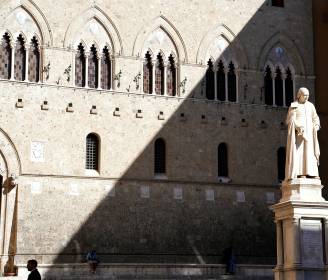
7 Small Towns in Italy You Need on Your Travel Radar This Year

Scan the map and you’ll count hundreds of small towns in Italy, each offering a unique take on landscape, culture, and cuisine.
Some lie among ancient vineyards and olive groves, others sit on hilltops, enclosed by medieval walls. Then there are the alpine resorts, ultra-stylish coastal retreats, and island getaways, all adding a different flavour to Italy trips.
But which to visit this year? If you need a bit of help narrowing it down, here are seven small towns in Italy that you need on your travel radar.
1. Bomerano, Amalfi Coast
High in the hills between Sorrento and Amalfi, the mountain town of Bomerano is where in-the-know visitors stay on the Amalfi Coast. It’s away from the crowds of the most popular towns, while its high elevation means it’s cooler than at sea level, a blissful bonus when you’re busy exploring during the day.
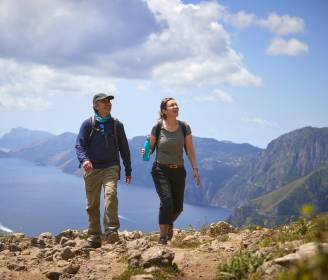
It’s also the classic start point of the Path of the Gods, providing privileged access to one of the most beautiful coastal trails in Europe, and a highlight of many Amalfi Coast walking holidays.
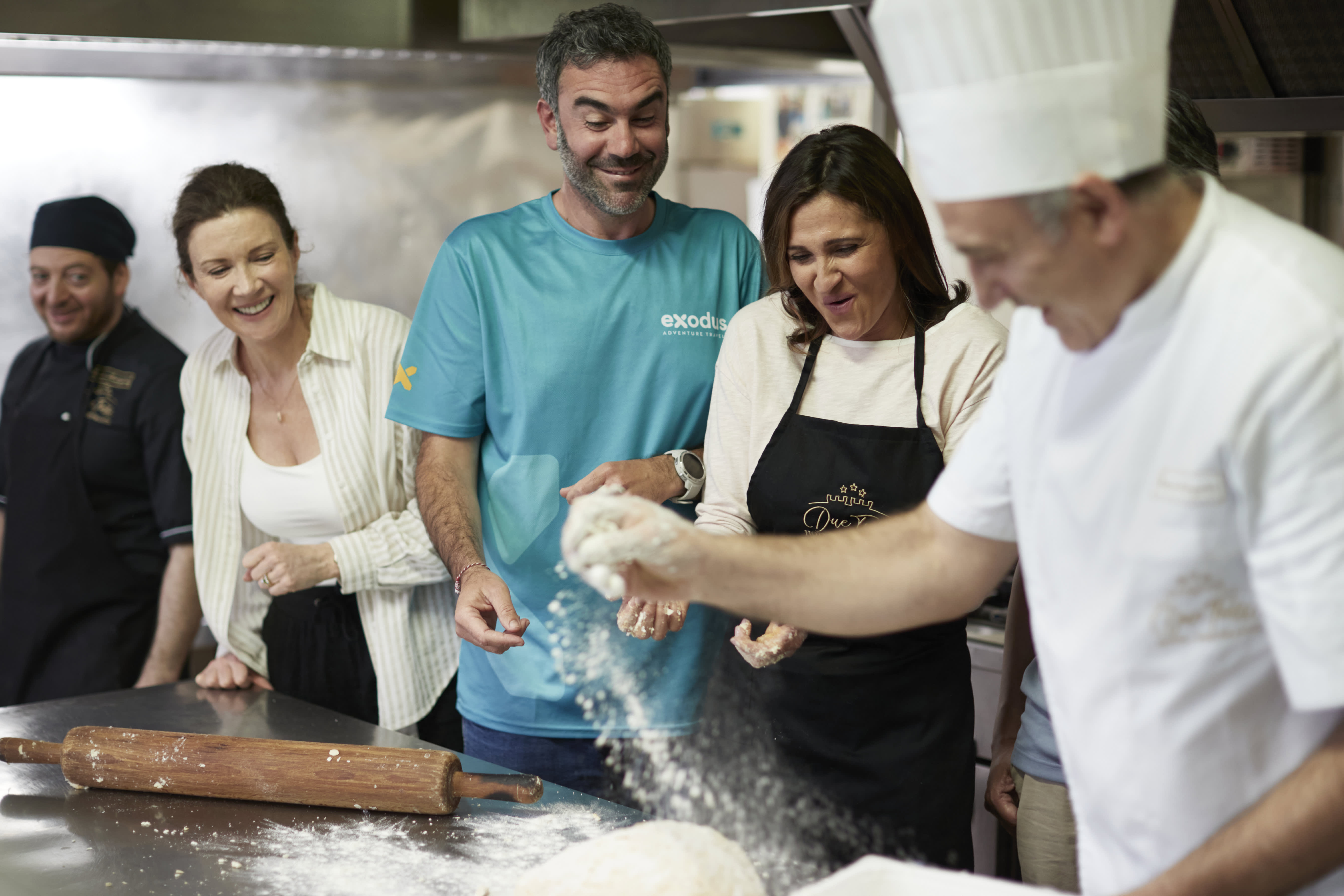
Join an Exodus trip to the Amalfi Coast and you’ll stay at our long-time partner hotel Due Torri, where our old friends welcome you as part of la famiglia, ready to share their pizza-making expertise with you.
Experience it on:
Walking the Amalfi Coast
Discover the highlights of Europe’s most dramatic coastline on foot with true experts of the region
2. Villabassa, South Tyrol

With the Austrian border close by, Villabassa is built in the traditional Tyrolean style: a beautiful blend of Austrian and Italian heritage.
The sloped roofs and use of local materials certainly provide that alpine feel, while the local cuisine is less pizza and pasta, more robust, hearty fare to fuel mountain hikes and good feelings.
And yet, despite the beauty of the town itself, it’s the dramatic spires of the surrounding Dolomites that take centre stage here, rising sharply into the sky in their characteristic blend of pinnacles and spires.
Experience it on:

Iconic Dolomites Hikes
Superb walking in Italy's most spectacular mountain range
3. Chiavari, Italian Riviera

Midway between Portofino and the Cinque Terre, the seaside town of Chiavari is the ideal spot for exploring the Italian Riviera. But it’s much more than just a jumping-off point: it’s a beauty itself with a medieval centre, pedestrian arcades and a noticeable lack of tourists — no small feat in this part of the world.
Culture-hungry visitors will be well sated here. There’s an impressive cathedral, built in the 1600s, museums dedicated to history and art, palazzos, piazzas and plenty of local crafts, most notably in furniture making.
There’s also the seafront promenade, where you can stroll by Blue Flag pebble beaches and the Mediterranean bay.
Experience it on:
Walks & Food of the Italian Riviera
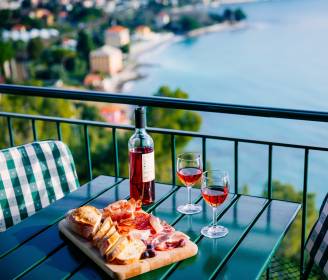
Stay in the Riviera’s ‘secret city’ for an adventure of glorious walks, regional food and renowned wines
4. San Gimignano, Tuscany

The beauty of San Gimignano lies in the UNESCO-protected historic centre, its skyline broken by 14 medieval towers commissioned by wealthy patricians.
You can still climb Torre Grossa, the tallest tower, to enjoy views over the town and to the hills — a landscape made for walking adventures — before visiting more beauty spots, including medieval fountains, Parco della Rocca, a public park inside a ruined fortress, and the historic duomo.
The latter may look rather plain from the outside, but step inside and you’ll find a cavernous chamber covered in colourful frescoes painted by celebrated 14th-century artists, including Lippo Memmi and other Sienese masters.
Experience it on:

Discover Tuscany: Culture, Food & Wine
Join expert guides, wine makers and our welcoming hosts to explore this intoxicating region of Italy
5. Pescasseroli, Abruzzo
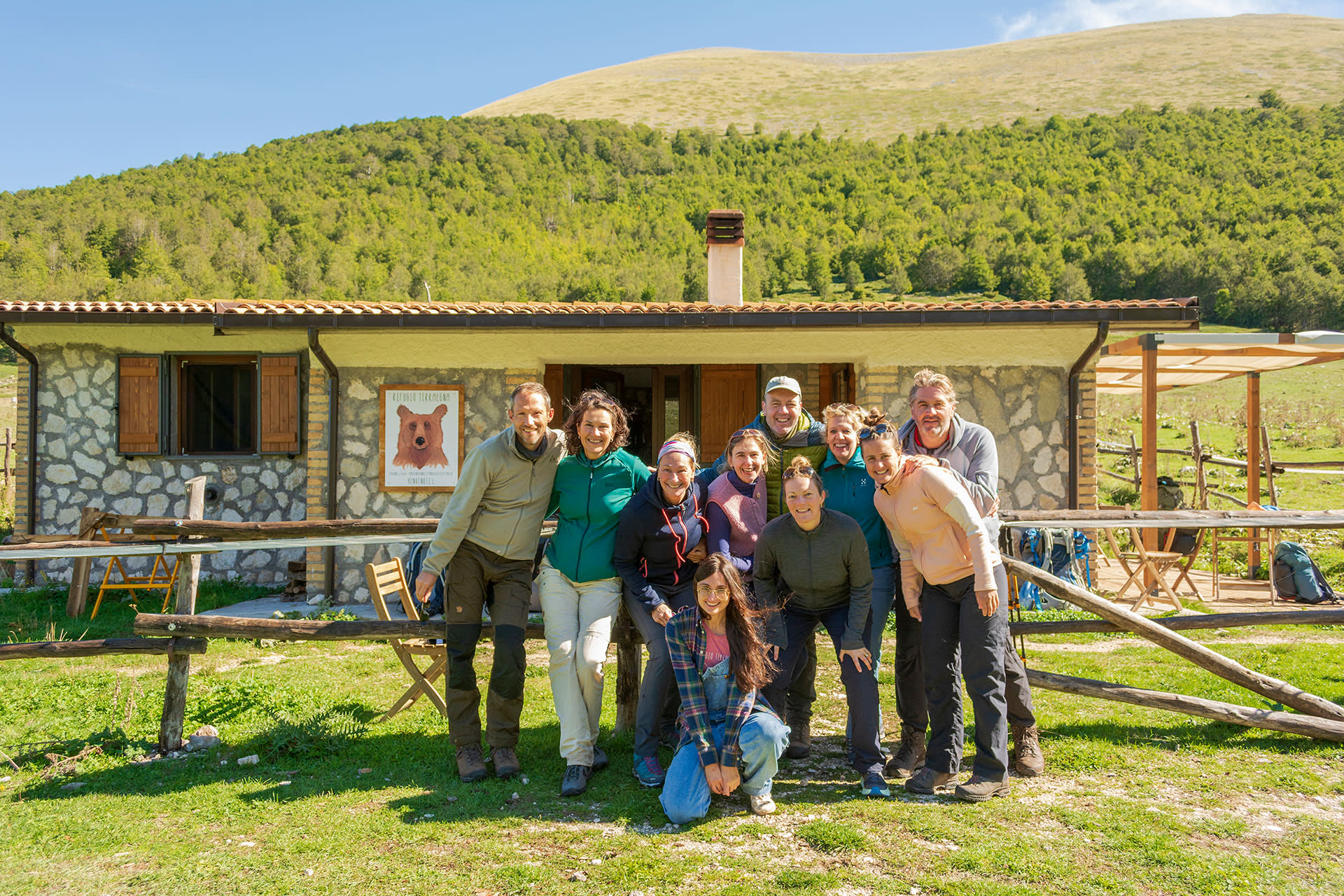
As the unofficial capital of Abruzzo National Park, Pescasseroli is far more than a mountain resort… it’s an embodiment of Italy’s connection to nature.
It’s here you’ll find the main visitor centre and the park authority’s HQ.
But, more importantly, the town acts as a base — and meeting point — for travellers who have come from across the globe to learn more about the work of our partners, Rewilding Apennines.
Their vital conservation action protects the landscape and key species, including the iconic Marsican brown bear, through innovative solutions, such as bear-smart corridors and community engagement.
It’s one of Italy’s most compelling corners for anyone drawn to wildlife holidays in Europe, but with a distinctly Apennine character.
Explore it on:

Italian Apennines: Walks & Wildlife
Discover the flourishing Italian Apennines with Rewilding Europe
6. Alberobello, Puglia

There’s no place quite like it. In Alberobello, the cobbled streets are lined with squat, whitewashed houses sporting grey conical roofs, some with mysterious symbols painted on them, making it a memorable stop on many Puglia tours.
Local legend says these structures, known as trulli, were an ingenious way to avoid taxes, but now many have been reimagined as unique hotels, quirky boutiques and atmospheric restaurants.
‘Like something for a fairytale’ is an old travel cliché, but it’s hard to argue with the description when the sun sets over Alberobello and you’re gazing over the cone roofs from one of the town’s magical lookout points.
Explore it on:

Cycling Puglia & Matera
Cycle from the UNESCO town of Matera through Italy's heel to Lecce
7. Castello di Gargonza, Tuscany
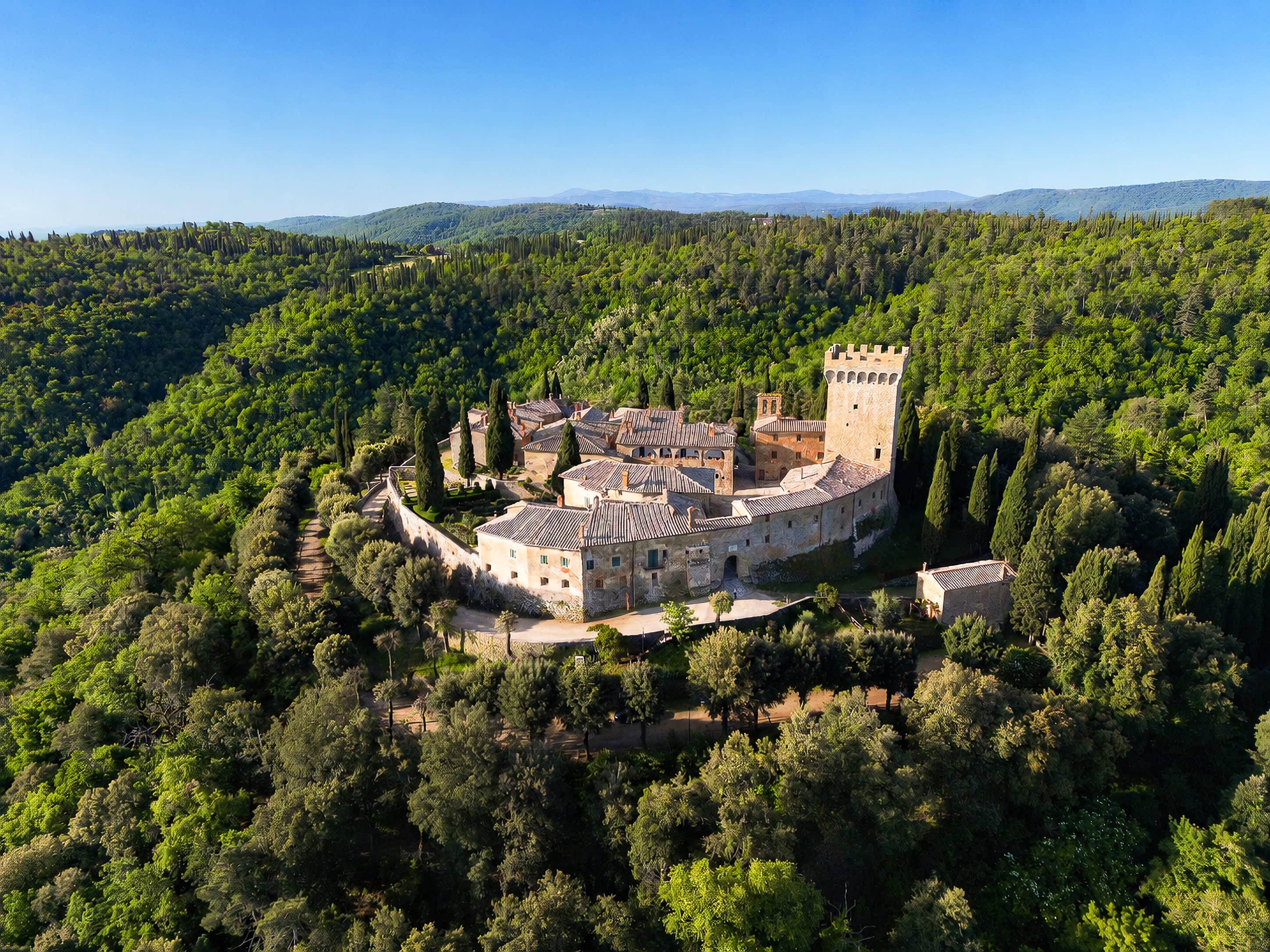
By the 1970s, the medieval hamlet of Gargonza was practically abandoned, its residents having left for the city in search of prosperity after the Second World War.
Its owner, Count Roberto Guicciardini Corsi Salviati, was therefore forced to rethink the future of the village. His solution: to transform the whole thing into a hotel.
Today, Gargonza is one of the most delightful places to stay in Italy, with suites now occupying the former houses and a 14th-century stone tower standing sentinel above the centuries-old walls that enclose the village.
You don’t have to be a guest to enjoy a visit, but there’s a certain magic to knowing that you’re a resident of a small town in Italy — even if it’s only for a week or so. It’s a fitting finale for travellers looking beyond the obvious.
Stay there on: