What to Expect on a Wildlife Adventure in Costa Rica

Costa Rica may be small on the map, tucked between Nicaragua and Panama with the Pacific on one side and the Caribbean on the other, but it has a reputation that far exceeds its size.
This narrow Central American nation is a place where howler monkeys sound a morning alarm, volcanoes dominate the skyline, and cloud forests buzz with life.
With more than a quarter of the country protected as national parks or reserves, it’s also one of the most biodiverse corners of the planet that’s wonderful to explore, especially on guided routes that bring its wildlife, wilderness, and culture into sharper focus.
Pura Vida & Wildlife Encounters

Pura Vida is the country’s unofficial motto. It loosely translates to “pure life,” although you soon discover that it is less a phrase than a mindset. It is the warm greeting from a local, the unhurried pace of a rainforest walk, and the collective pride Costa Ricans feel for their natural world.
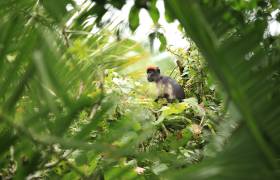
If you love wildlife, Costa Rica is a gift. The country hosts an astonishing variety of species. Sloths drape over cecropia branches, brightly coloured toucans punctuate the canopy, and tiny, red-eyed tree frogs cling to broad leaves after summer rain. Coastal mangroves shelter caimans, and the Pacific beaches attract nesting turtles at certain times of year.
Travelling with a naturalist or expert guide often opens the door to elusive encounters. You might spot a camouflaged eyelash viper that others walk past or learn how to identify a distant call from a hidden troop of capuchins.
Green v Dry Season Travel
Costa Rica’s climate can be broadly divided into the green season and the dry season. Both offer excellent conditions, though they shape the experience differently.
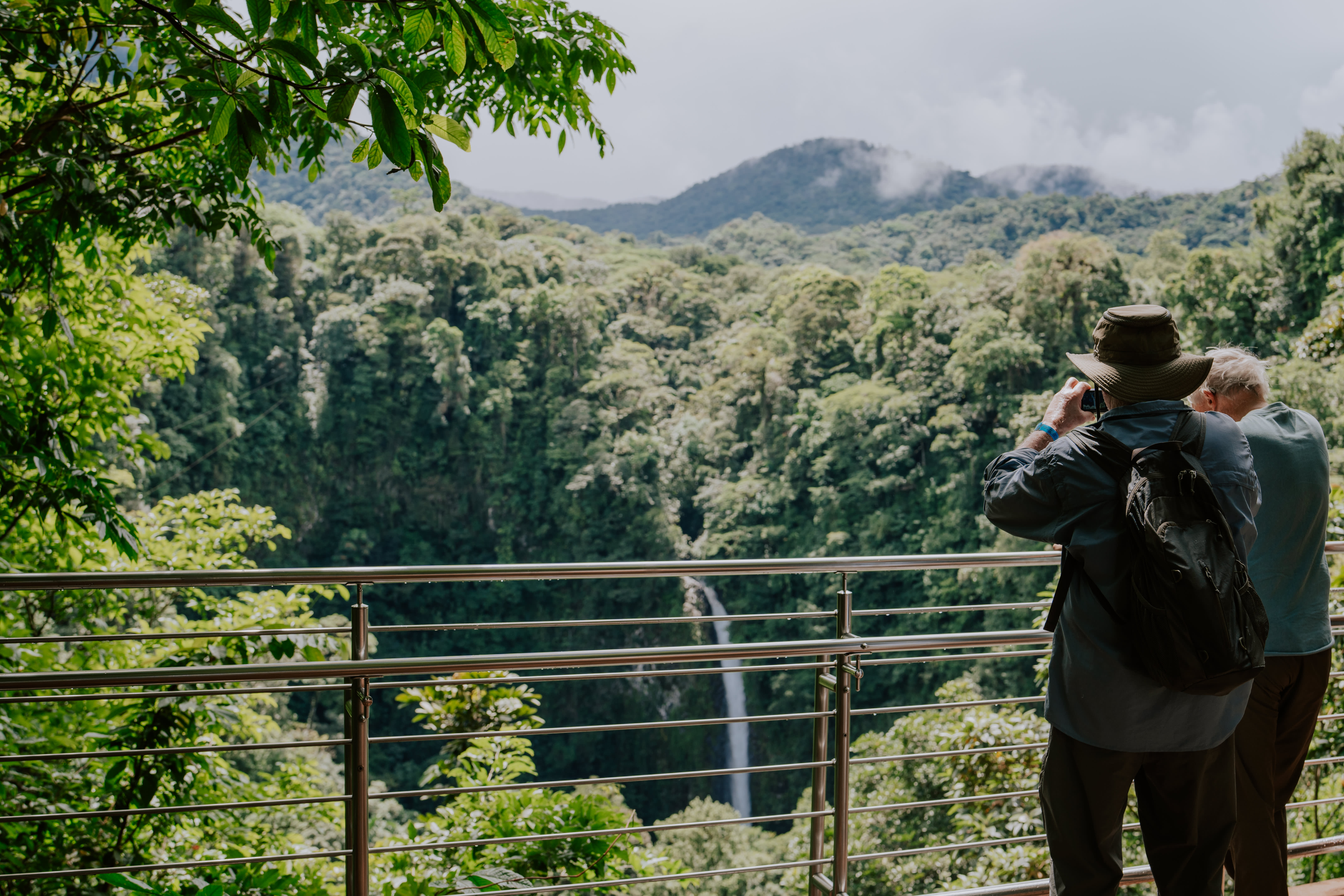
The green season runs roughly from May to November. Expect short, refreshing afternoon showers that turn the forests emerald, increase wildlife activity, and create superb photographic light. Traveller numbers tend to be slightly lower, which brings a quieter, more intimate feel to many trails and lodges.
The dry season spans December to April. Skies are blue, trails are firm underfoot, and the Pacific coast is at its sunniest. It is an excellent window for classic experiences such as volcano hikes, ziplining, and spotting scarlet macaws as they fly between beach almond trees.
Whichever season you choose, pack for variety. Lightweight layers, comfortable walking shoes, and a sense of humour for the occasional tropical downpour go a long way.
Natural Highlights: Arenal, Monteverde & Tortuguero
Costa Rica might be small, but it certainly makes the most of its footprint. Travel a few hours in any direction and the landscape shifts completely, from volcanic plains to mist-soaked mountains and wildlife-packed waterways. Three places, in particular, tend to steal the show.
Arenal

In northern Costa Rica, Arenal Volcano rises so neatly out of the landscape that it looks as though someone placed it there for dramatic effect. The surrounding region is a playground of forest trails, bird-filled gardens, and thermal springs that feel especially heavenly after a day on your feet. You might start your morning with hummingbirds hovering outside your lodge, then end it soaking in a hot spring with the volcano’s silhouette keeping watch.
Monteverde
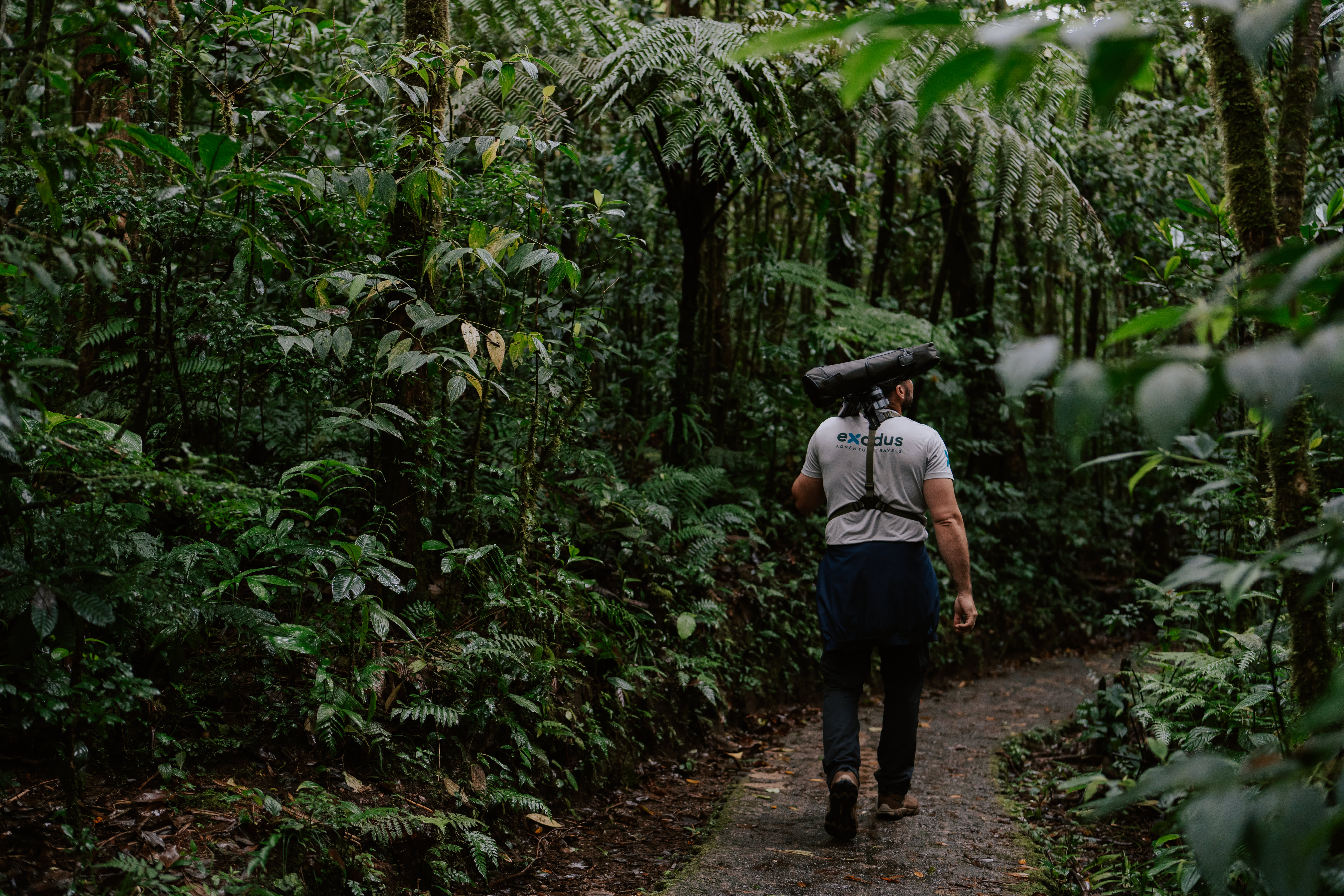
Head southwest into the Tilarán Mountains and everything changes. The air cools, the mist thickens, and suddenly you are in Monteverde, one of the world’s most iconic cloud forests. Here, trees wear coats of moss, bromeliads cling to every branch and wildlife moves with such stealth you feel privileged when you spot it. Quetzals sometimes grace hikers with a cameo, and night walks can reveal everything from armadillos to the unmistakable glint of eyes staring back from the treetops.
Tortuguero

Continue across to the northern Caribbean coast, and the forest turns to water. Tortuguero National Park is a maze of canals, mangroves and rainforest, often described as Costa Rica’s mini Amazon. Boats glide quietly along channels where sloths hang like forgotten laundry, monkeys crash enthusiastically through the canopy, and toucans brighten even the greyest morning. Visit during nesting season, and you may witness green or leatherback turtles hauling themselves onto the beach under the moonlight.
Adventure Activities: Ziplining, Kayaking & Volcanoes
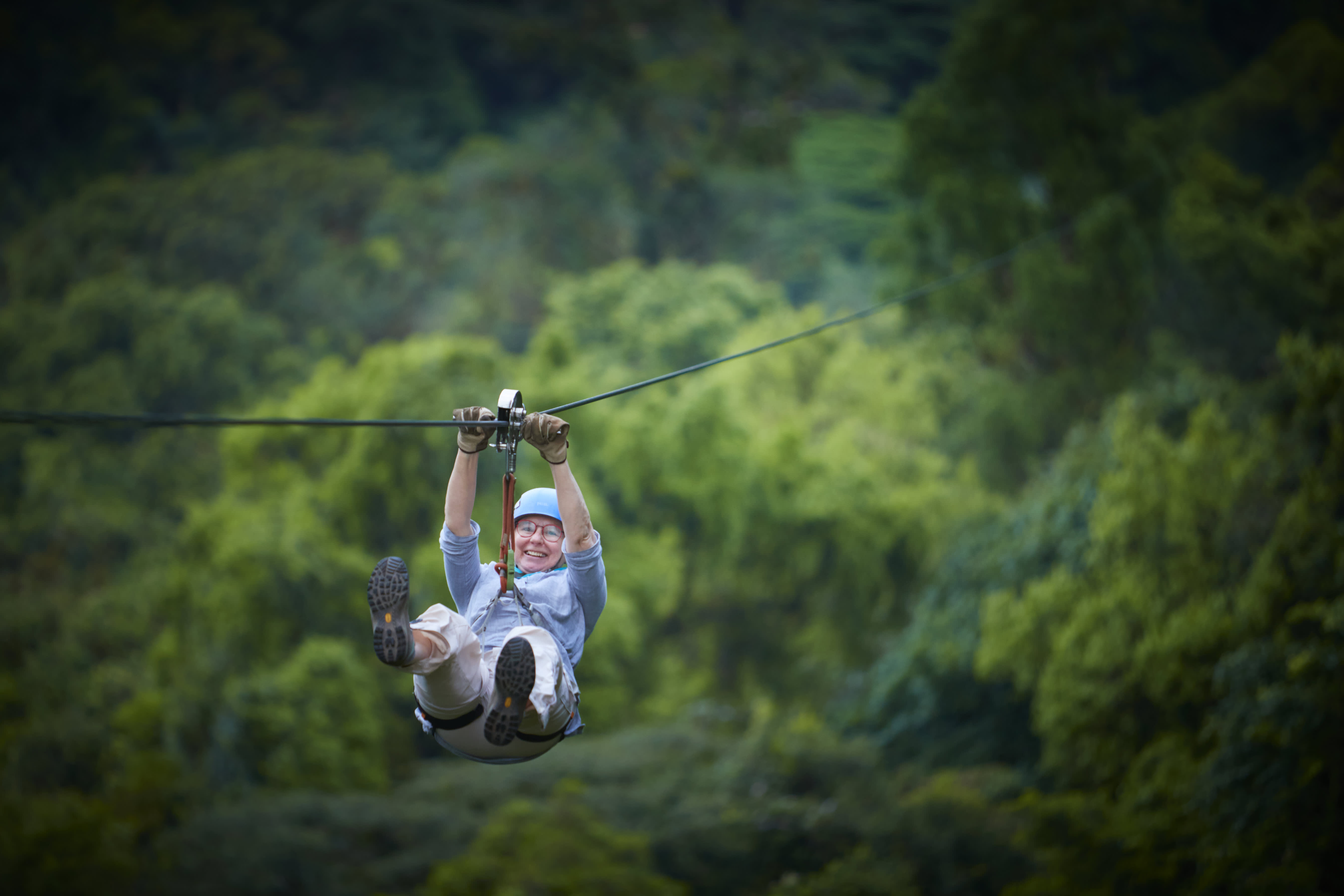
Costa Rica specialises in gentle, joyful adrenaline. It is the kind of place where you test your comfort zone but spend most of the time grinning. Most activities are suitable for beginners, and expert leaders can tailor the pace to the group.
Popular activities include:
- Ziplining above the canopy where the forest stretches out in all directions
- Kayaking along mangroves and calm coastal inlets where herons, rays, and kingfishers are common
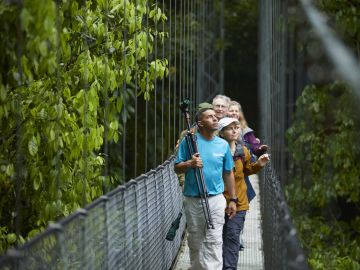
- Walking across hanging bridges for a bird’s eye perspective of the rainforest
- Tackling well-maintained volcano trails that offer sweeping views of craters, lava fields, and bird life

Family-Friendly Wildlife Experiences
Costa Rica is perfect for family travel. Distances are manageable, accommodation is comfortable, and the wildlife is consistently impressive, even on short walks. Children, teens, and big kids at heart will find something to love, and they can make new friends through shared experiences.
Family favourites include:
- Boat trips in Tortuguero, where monkeys leap between overhead branches
- Butterfly and hummingbird gardens with close-up photography opportunities
- Safe forest trails around Arenal with suspension bridges that inspire equal parts delight and nervous giggles
- Night walks that introduce younger travellers to the hidden world of nocturnal creatures
FAQs: Everything You Need to Know
Here are the answers travellers most often want before setting off for the land of hummingbirds, hot springs, and Pura Vida ease.
Yes. It is one of the most stable and peaceful countries in Latin America, with a strong focus on eco-tourism. Most visitors feel very comfortable, especially when travelling with an experienced guide.
A reasonable level of fitness helps you enjoy forest walks and volcano trails, although many routes are suitable for beginners. Expert-led itineraries usually offer a mix of easy, moderate, and optional activities.
Sloths, monkeys, toucans, hummingbirds, caimans, iguanas, and a variety of frogs are common. With luck, you may spot a quetzal in Monteverde or witness turtle nesting on the Caribbean coast.
Lightweight clothing, a waterproof jacket, walking shoes, sunscreen, insect repellent, and binoculars. Quick-drying layers are helpful in the green season, while sun protection is key in the dry season.
Absolutely. Small-group trips, in particular, offer a great balance of independence and support.
Knowledgeable leaders bring the natural world to life. They help you identify calls, track wildlife, understand ecosystems, and navigate national parks with confidence. Many travellers say that these insights transform their experience, especially in complex habitats like cloud forests and wetland canals.
In Costa Rica, you move a little slower and notice a lot more. Skilled guides can point out the wildlife tucked into the landscape, trails cut through dense forest to dramatic overlooks, and the country’s relaxed way of life lingers once you’re back home.
Ready to experience Costa Rica’s wildlife, wilderness, and Pura Vida spirit? Explore our expert-led small-group adventures and start planning today.